



Iron rich foods – the best plant-based sources of iron

Why is iron important?
Iron is one of the most important minerals in the human body. European Union Regulation (EU) No 432/2012 has approved health claims stating that iron helps:
- to ensure the normal transport of oxygen within the body;
- to support the normal formation of red blood cells and haemoglobin;
- to maintain normal energy metabolism;
- help reduce tiredness and fatigue;
- to ensure the normal functioning of the immune system;
- support normal cognitive function [1].
It is therefore advisable to include foods that are naturally rich in iron in your daily diet [20].
In accordance with European Union Regulation (EC) No 1924/2006, a food product may be labelled as a ‘source of iron’ if it contains at least 15% of the nutrient reference value per 100 g of product [3]. The nutrient reference value for iron set by the European Union is 14 mg per day; therefore, a product is considered a source of iron if it contains at least 2.1 mg of iron per 100 g of product [4].
Products with high iron content.
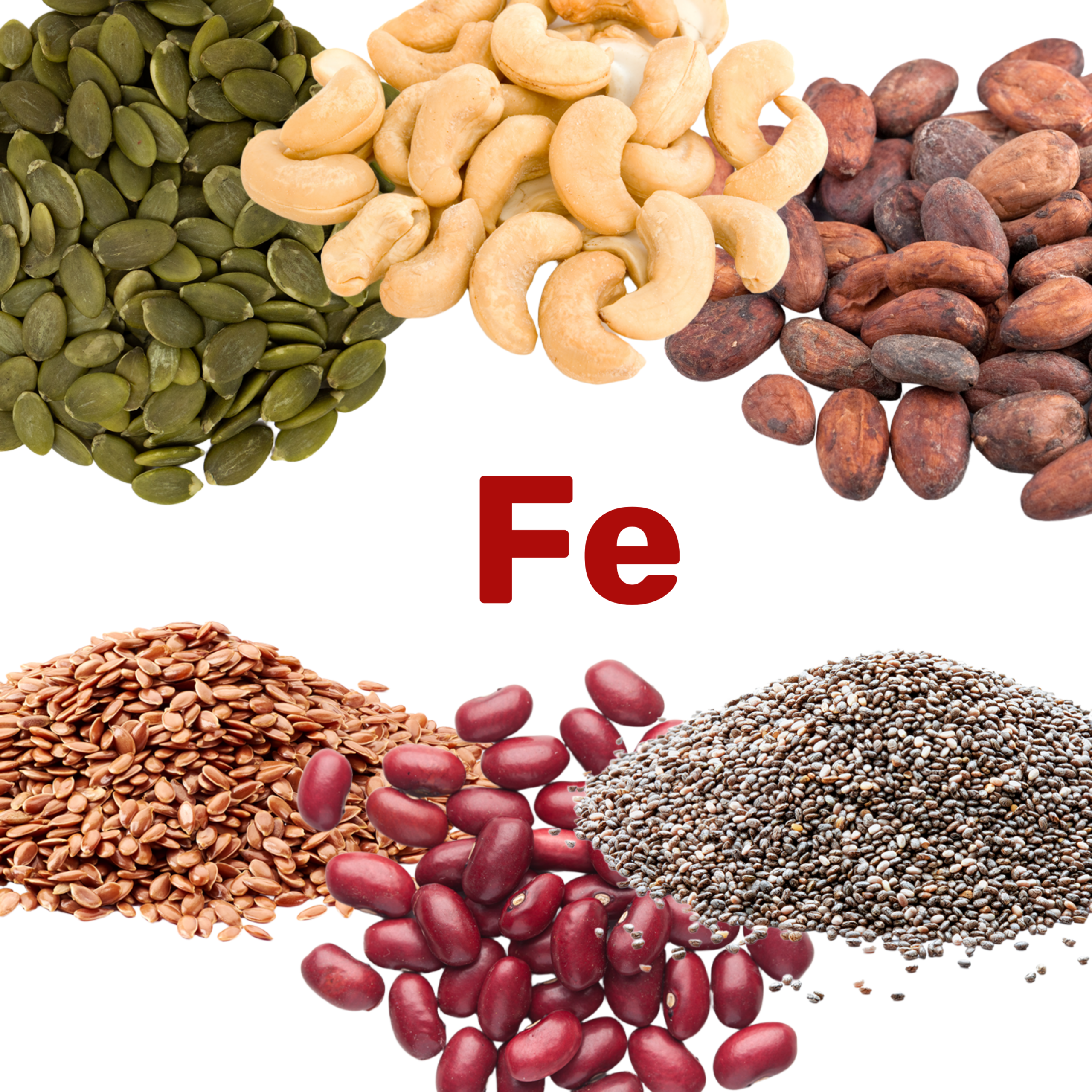
The following is a list of popular plant-based foods that contain sufficient amounts of iron to be considered a source of iron in accordance with the European Union’s nutritional labelling criteria [3].
Seeds
| Product | Iron per 100 g of product | Added value |
|---|---|---|
| Pumpkin seeds [5] | 8.4–8.8 mg (60–63% NRV*) | Magnesium, zinc, fibre |
| Chia seeds [6] | 7.7 mg (55% NRV*) | Omega-3, fibre, protein |
| Flaxseeds [7] | 5.7 mg (41% NRV*) | Omega-3, fibre |
| Sunflower seeds [8] | ~5 mg (~36% NRV*) | Vitamin E, magnesium |
*NRV — Nutrient Reference Value. The calculation is based on the iron reference value set by the European Union — 14 mg per day [4].
Legumes
| Product | Iron per 100 g of product | Added value |
| Lentils [9] | ~5 mg (~36% NRV*) | Proteins, folates |
| Beans [10] | 6.7–8.7 mg (48–62% NRV*) | Protein, potassium |
| Broad beans [11] | ~6.7 mg (~48% NRV*) | Folate, fibre |
| Peas [12] | 4.7–4.8 mg (34% NRV*) | Fibre, protein |
| Soya beans [13] | ~5–6 mg (36–43% NRV*) | Protein, fibre |
*NRV — Nutrient Reference Value. The calculation is based on the iron reference value set by the European Union — 14 mg per day [4].
Nuts and their products
| Product | Iron per 100 g of product | Added value |
| Cashew nuts [14] | 6.68 mg (~48% NRV*) | Magnesium, copper |
| Almonds [15] | ~3.7 mg (~26% NRV*) | Vitamin E, magnesium |
| Pistachios [16] | ~3.9 mg (~28% NRV*) | Potassium, fibre |
| Peanuts [17] | ~4.6 mg (~33% NRV*) | Niacin, magnesium |
*NRV — Nutrient Reference Value. The calculation is based on the iron reference value set by the European Union — 14 mg per day [4].
Cocoa products
| Product | Iron per 100 g of product | Added value |
| Cocoa beans [18] | >10 mg (>71% NRV) | Magnesium, polyphenols |
*NRV — Nutrient Reference Value. The calculation is based on the iron reference value set by the European Union — 14 mg per day [4].
How to promote iron absorption in the body?
The iron found in plant-based foods is better absorbed by the body if vitamin C is also consumed during the meal, for example from berries, citrus fruits or fresh vegetables [19][20].
The absorption of iron can be reduced by foods high in calcium, polyphenols or tannins, such as dairy products, black tea and green tea, particularly when consumed alongside an iron-rich meal. [20][21][22][23]
It is recommended that coffee, black or green tea, and calcium-rich foods be consumed at least 1–2 hours before or after taking iron supplements. [21][22]
Conclusions.
Iron is an essential mineral for energy, oxygen transport and normal bodily function. Plant-based foods can be an excellent source of iron, particularly if seeds, pulses and nuts are regularly included in the diet.
Products with the highest iron content
| Product | Iron per 100 g of product | Added value |
| Cocoa beans | >10 mg (>71% NRV*) | Magnesium, polyphenols [18] |
| Pumpkin seeds | 8.4–8.8 mg (60–63% NRV*) | Magnesium, zinc, fibre [5] |
| Chia seeds | 7.7 mg (55% NRV*) | Omega-3, fibre, protein [6] |
| Beans | 6.7–8.7 mg (48–62% NRV*) | Protein, potassium [9] |
| Cashew nuts | 6.68 mg (~48% NRV*) | Magnesium, copper [13] |
| Broad beans | ~6.7 mg (~48% NRV*) | Folate, fibre [10] |
| Soya beans | ~5–6 mg (36–43% NRV*) | Protein, fibre [12] |
| Flaxseeds | ~5.7 mg (~41% NRV*) | Omega-3, fibre [7] |
| Lentils | ~5 mg (~36% NRV*) | Proteins, folates [8] |
| Sunflower seeds | ~5 mg (~36% NRV*) | Vitamin E, magnesium [7] |
*NRV — Nutrient Reference Value. The calculation is based on the iron reference value set by the European Union — 14 mg per day [4].
To help the body absorb iron more effectively, it is advisable to combine these foods with sources of vitamin C, such as berries, citrus fruits or fresh vegetables.
Products by Category
-
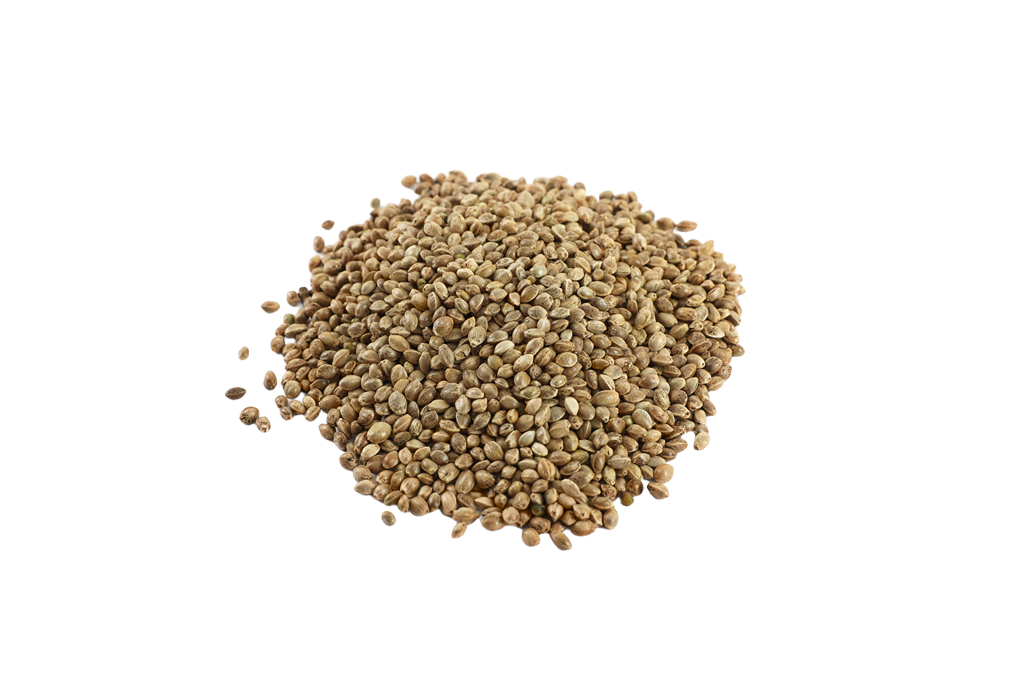
Hemp seeds
€9.00 KG -
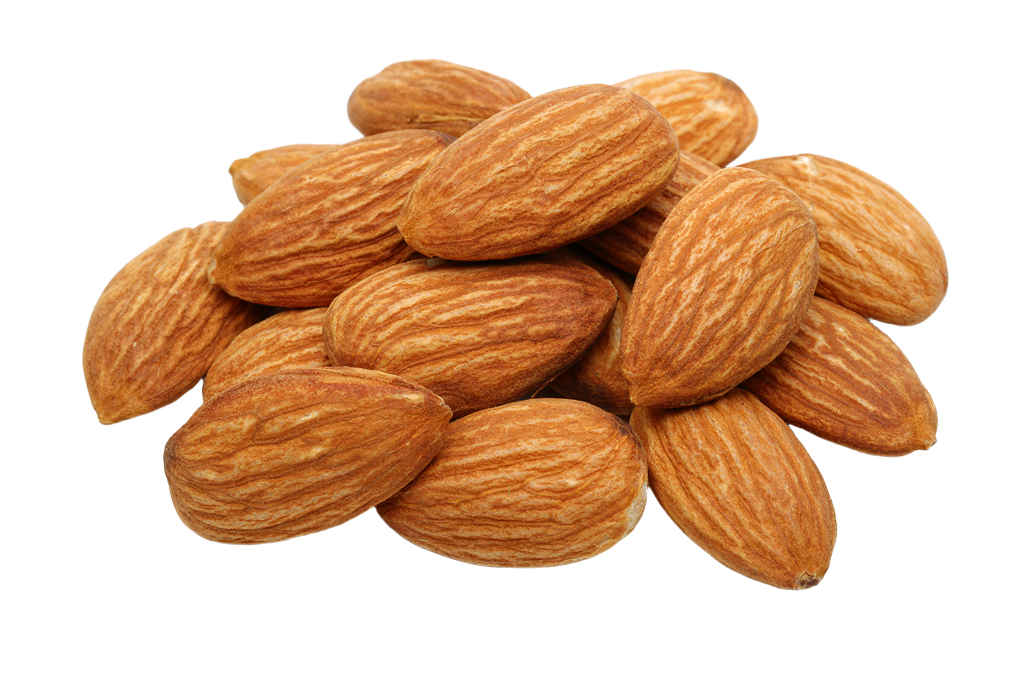
Large, peeled almonds
€19.00 KG -

Caribbean peanut mix in a crunchy coating
€22.00 KG -
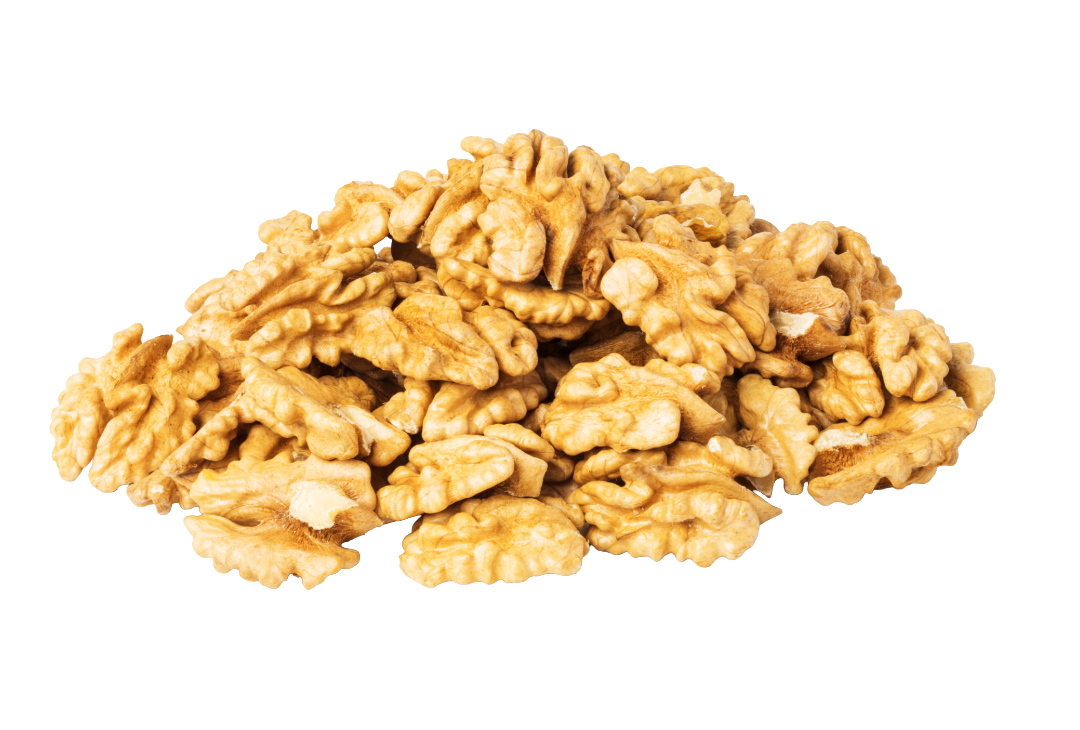
Shelled walnut halves, light in colour, Extra quality
€23.50 KG -

Roasted and salted pistachios, in the shell
€21.90 KG -
_RIVALOBL-872x800.png)
Shelled, blanched walnuts
€20.00 KG -

Black cumin (Nigella sativa)
€10.10 KG -
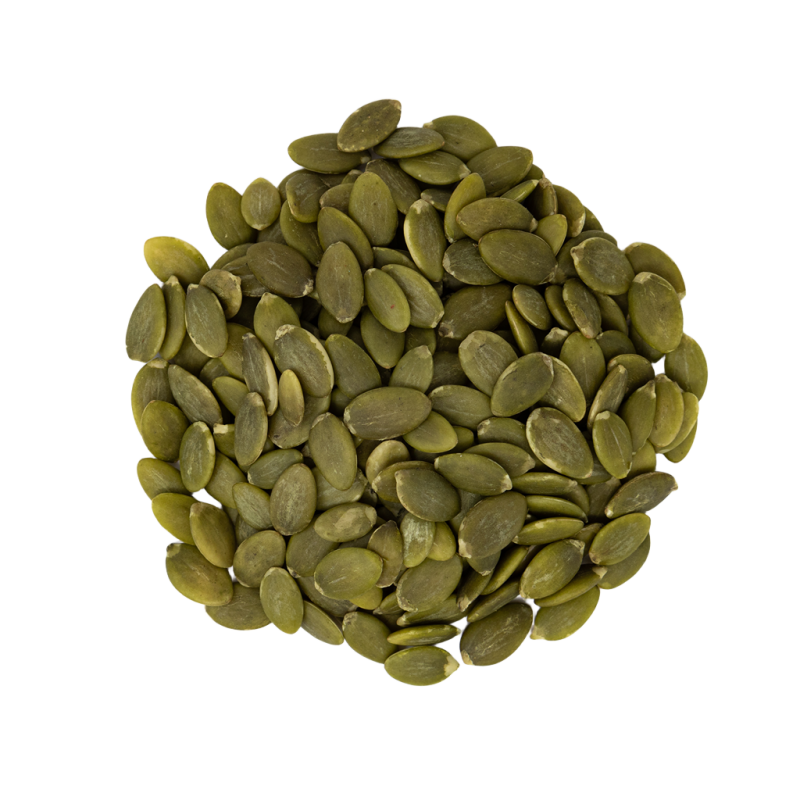
Shelled pumpkin seeds
€13.40 KG -

Shelled pecans
€30.90 KG
References:
[1] Commission Regulation (EU) No 432/2012 – authorised health claims for iron
https://eur-lex.europa.eu/legal-content/EN/TXT/HTML/?uri=CELEX:32012R0432
[3] Regulation (EC) No 1924/2006 on nutrition and health claims made on foods
https://eur-lex.europa.eu/legal-content/EN/TXT/HTML/?uri=CELEX:32006R1924
[4] Regulation (EU) No 1169/2011 – Nutrition Reference Values
https://eur-lex.europa.eu/legal-content/EN/TXT/HTML/?uri=CELEX:32011R1169
[5] USDA FoodData Central – Seeds, pumpkin and squash seed kernels, dried
https://fdc.nal.usda.gov/food-details/2515380/nutrients
[6] USDA FoodData Central – Chia seeds
https://fdc.nal.usda.gov/fdc-app.html#/food-details/170554/nutrients
[7] USDA FoodData Central – Flaxseed
https://fdc.nal.usda.gov/fdc-app.html#/food-details/169414/nutrients
[8] Nutritional information for sunflower
seeds https://fdc.nal.usda.gov/fdc-app.html#/food-details/170562/nutrients
[9] Nutritional information for red
lentils https://www.matvaretabellen.no/en/lentils-red-uncooked/
[10] USDA FoodData Central – Kidney beans, mature seeds, raw
https://fdc.nal.usda.gov/fdc-app.html#/food-details/173735/nutrients
[11] USDA FoodData Central – Fava beans, mature seeds, raw
https://fdc.nal.usda.gov/food-details/175205/nutrients
[12] USDA FoodData Central – Green peas, split, mature seeds
https://fdc.nal.usda.gov/food-details/172428/nutrients
[13] Nutritional data for
soybeans https://fdc.nal.usda.gov/fdc-app.html#/food-details/174270/nutrients
[14] USDA FoodData Central – Cashew nuts, raw
https://fdc.nal.usda.gov/fdc-app.html#/food-details/170162/nutrients
[15] USDA FoodData Central – Almonds, raw
https://fdc.nal.usda.gov/fdc-app.html#/food-details/170567/nutrients
[16] Nutritional information for
pistachios https://fdc.nal.usda.gov/fdc-app.html#/food-details/170184/nutrients
[17] Nutritional information for peanuts
https://tools.myfooddata.com/nutrition-comparison/172430-174261-167745/100g-100g-100g
[18] Nutritional data for
cocoa beans https://fdc.nal.usda.gov/fdc-app.html#/food-details/169593/nutrients
[19] Hallberg L, Brune M, Rossander L. The role of vitamin C in iron absorption.
https://pubmed.ncbi.nlm.nih.gov/6940487/
[20] National Institutes of Health – Iron Fact Sheet for Health Professionals
https://ods.od.nih.gov/factsheets/Iron-HealthProfessional/
[21] PubMed – Coffee and iron absorption
https://pubmed.ncbi.nlm.nih.gov/6402915/
[22] PubMed – Calcium and iron absorption: mechanisms and public health relevance https://pubmed.ncbi.nlm.nih.gov/21462112/
[23] PMC – Iron Absorption: Factors, Limitations, and Improvement Methods https://pmc.ncbi.nlm.nih.gov/articles/PMC9219084/


