



Protein in the diet — why is it important, and which foods are rich in it?

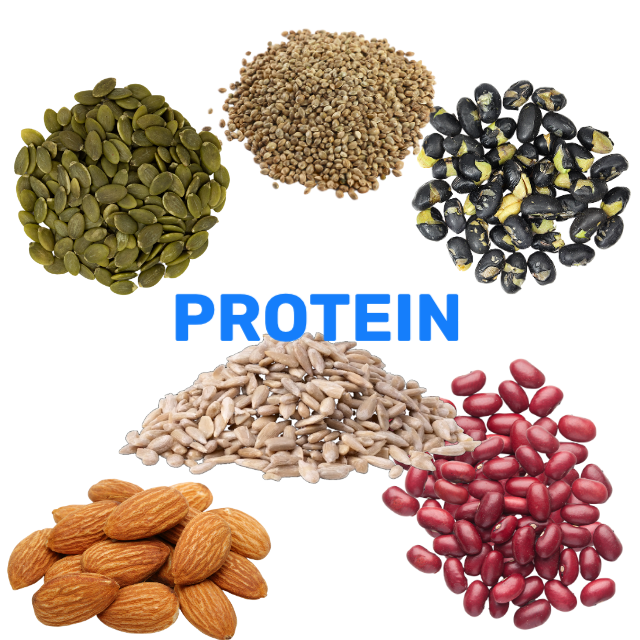
Protein is one of the key nutrients required for the body to function properly. In the European Union, the following health claims have been approved for protein:
- protein helps maintain muscle mass;
- Protein promotes muscle growth;
- protein helps maintain healthy bones;
- Protein is essential for normal bone growth and development in children [1]
These claims may only be used if the product meets the nutritional claim ‘source of protein’. In accordance with EU requirements, a product is a “source of protein” if at least 12% of the product’s energy value is provided by protein. The claim “high protein” may be used if at least 20% of the product’s energy value is provided by protein [2].
For adults, the reference value for protein used in EU labelling is 50 g per day. The table below shows the amount of protein per 100 g of product and the approximate percentage of this daily reference value. [3]
Which foods are high in protein?
| Product | Protein, g/100 g | % of the daily reference value |
|---|---|---|
| Soya beans | 40.1 g [4] | 80% |
| Hemp seeds | 31.6 g [5] | 63% |
| Pumpkin seeds | 30.2 g [6] | 60% |
| Broad beans | 26.1 g [7] | 52% |
| Peanuts | 25.8 g [8] | 52% |
| Lentils | 24.6 g [9] | 49% |
| Peas | 23.8 g [10] | 48% |
| Beans | 21–23.4 g [11] | 42–47% |
| Sunflower seeds | 20.8 g [12] | 42% |
| Almonds | 21.2 g [13] | 42% |
How can protein utilisation be improved?
It is advisable to soak pulses before cooking and then boil them thoroughly. Research shows that processing, including soaking and heat treatment, can reduce the amount of antinutrients and improve the digestibility of legume proteins [14].
It is worth ensuring a varied intake of plant-based protein sources — by combining pulses, seeds, nuts and grains. This helps you to consume a wider range of amino acids throughout the day [15].
Products by Category
-
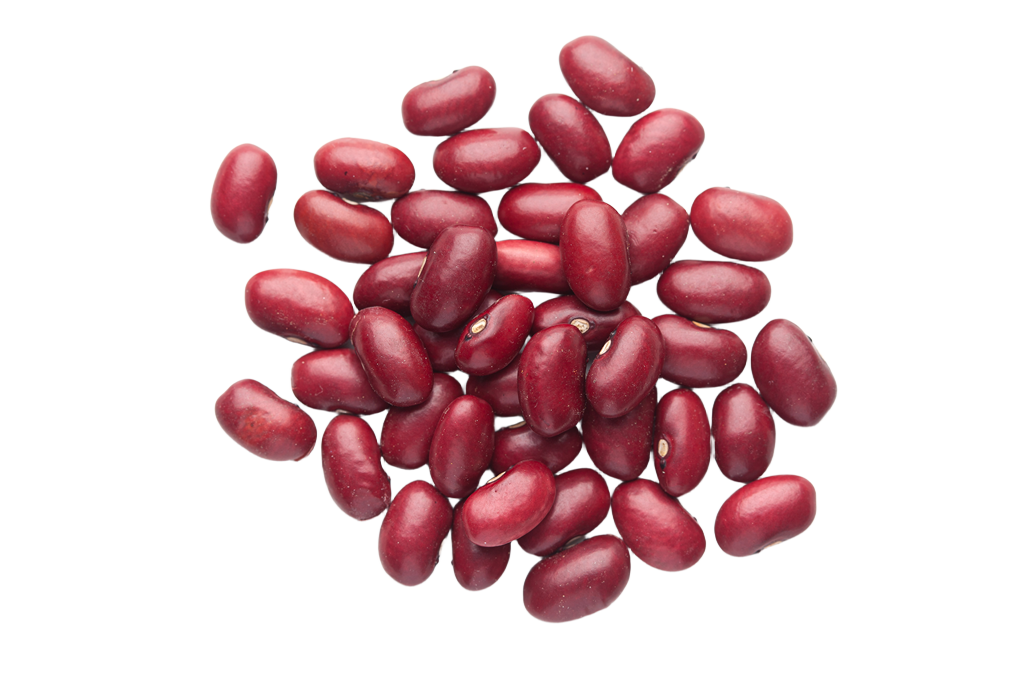
Dried red beans
€6.70 KG -
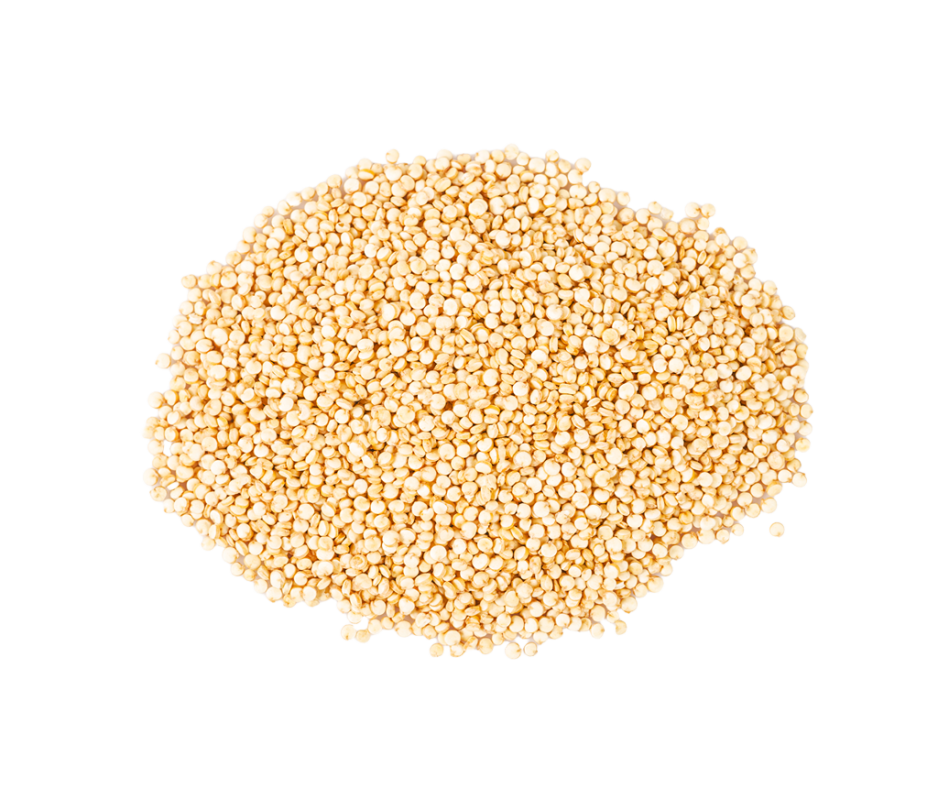
White quinoa
€10.90 KG -

Orange lentils
€5.00 KG -

Ground coriander
€9.05 KG -

Beans large, variegated, dried
€14.60 KG -
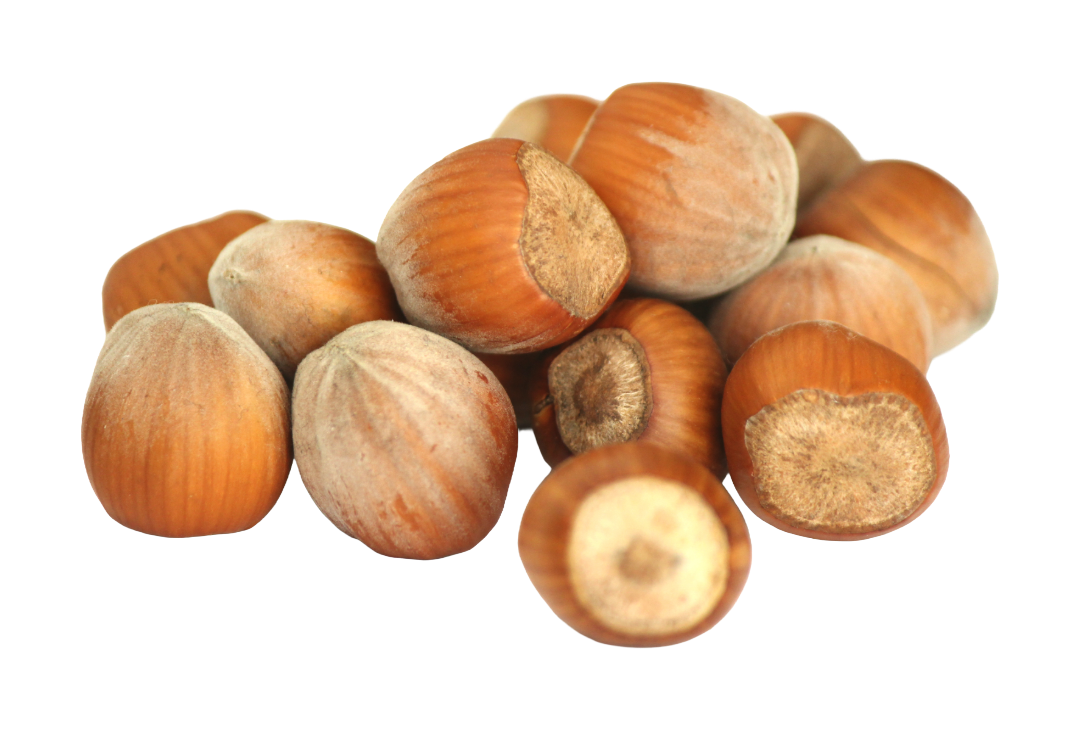
Hazelnuts in shells
€10.98 KG -

Roasted cashew nuts, brown
€22.00 KG -

Roasted and salted pistachios, in the shell
€21.90 KG -

Brazil nuts
€34.50 KG
References
[1] European Commission, EU Register of nutrition and health claims — Protein health claims
https://eur-lex.europa.eu/legal-content/EN/TXT/?uri=CELEX:32012R0432
[2] European Commission — Nutrition claims: “source of protein” and “high protein”
https://food.ec.europa.eu/food-safety/labelling-and-nutrition/nutrition-and-health-claims/nutrition-claims_en
[3] Regulation (EU) No 1169/2011, Annex XIII — Reference intakes, protein 50 g
https://www.legislation.gov.uk/eur/2011/1169/annex/XIII
[4] MyFoodData / USDA data — Soybeans, mature seeds, roasted, no salt added
https://tools.myfooddata.com/nutrition-facts/174300/wt1
[5] Nutritional values of organic shelled hemp seeds — protein 31.6 g/100 g
https://everydaysuperfood.co.uk/pages/organic-shelled-hemp-seeds-nutrition-hemp-hearts-hulled-hemp-seed-nutritional-value-per-100g
[6] MyFoodData / USDA data — Dried pumpkin and squash seeds
https://tools.myfooddata.com/nutrition-facts/170556/wt2
[7] HappyForks / USDA data — Broad beans / fava beans, mature seeds, raw
https://happyforks.com/food/broadbeans/4857
[8] Calzen / USDA FoodData Central — Peanuts
https://calzen.ai/en/calories-in/peanuts/
[9] Dhull SB et al. (2023). Nutrient profile and effect of processing methods on the nutritional quality of lentils.
https://onlinelibrary.wiley.com/doi/full/10.1002/leg3.156
[10] HappyForks / USDA data — Peas, green, split, mature seeds, raw
https://happyforks.com/food/peas/148
[11] Medindia / USDA data — Beans, white, mature seeds, raw
https://www.medindia.net/nutrition-data/beans-white-mature-seeds-raw.htm
[12] MyFoodData / USDA data — Sunflower seed kernels, dried
https://tools.myfooddata.com/nutrition-facts/170562/wt9
[13] MyFoodData / USDA data — Almonds
https://tools.myfooddata.com/nutrition-facts/170567/wt1
[14] Drulyte & Orlien, The Effect of Processing on Digestion of Legume Proteins, 2019
https://pmc.ncbi.nlm.nih.gov/articles/PMC6616939/
[15] EFSA Scientific Opinion on Dietary Reference Values for protein
https://efsa.onlinelibrary.wiley.com/doi/10.2903/j.efsa.2012.2557


